
Reflections on the Roslyn Cemeteries - From the Desk of Frederick Krueger
(Letter to the Editor, April 8, 2017)
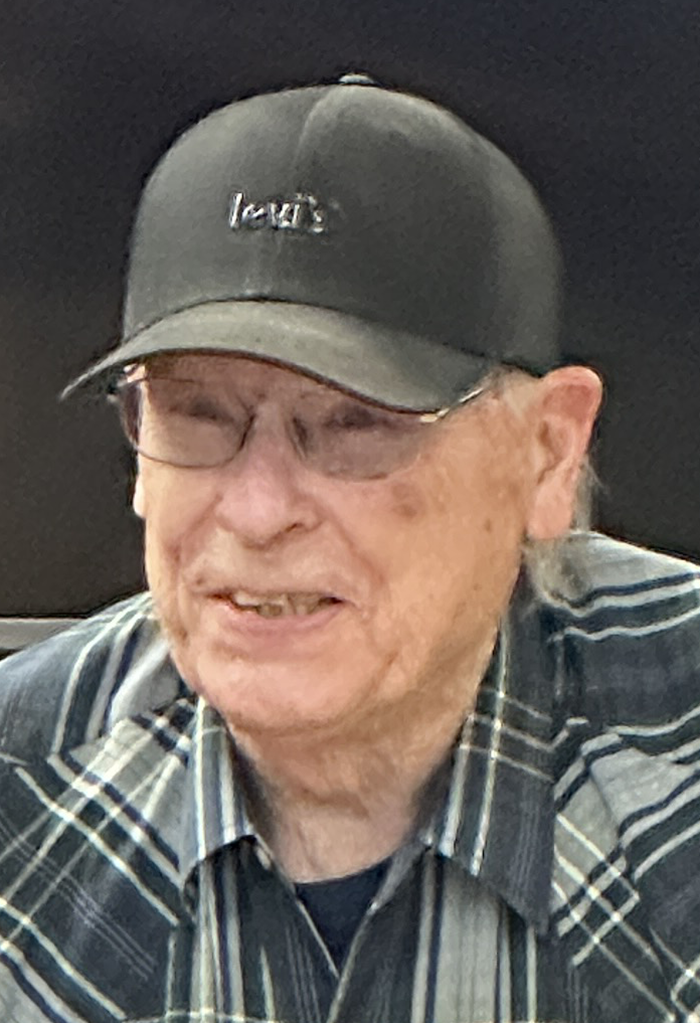
The purpose of this note is to help all those interested in making good decisions in the management, preservation and restoration of the Roslyn Cemeteries.
WHERE HAVE WE BEEN?
To make good decisions we must know where we have been in the management, preservation and restoration of the Roslyn Cemeteries. At one time lodges and families took care of their own without much outside interference. By the 1960s there was considerable neglect for some cemeteries as the lodges ceased to exist and families moved away.
The younger generation was leaving a depressed mining communnity for jobs elsewhere. The oral histories among families was being lost as each family passed. It remained for the Roslyn Kiwanis Club to begin taking up the challenge to reverse the decline in the neglected cemeteries c. 1969.
In c.1972 the Local History Class joined the Kiwanis in major restoration and preservation activities. Each year the Local History Class asked for and received permission from the city council. There was no oversight by the city. The trust relationship endured into the early 1990s. Funding for the cemetery work came from donations and Kiwanis support. Publicity about the students and Kiwanis grew and the cemeteries began to take on a local, state and national interest.
Sometime in the late 1970s Roslyn became a historical district along with the cemeteries. Work continued uninterrupted by city government. Occasionally the city council had local citizenry appear before the council to receive a certificate of appreciation for their dedication in preserving and restoring the cemeteries. I was one of those citizens. There was a sense of community by the city, the Kiwanis and the local history students.
WHERE ARE WE NOW?
The Roslyn Kiwanis Club is gone. The Local History Classes at the high school are gone. The surviving Roslyn families are fewer and a new generation is moving into Roslyn. The community values which endured for generations are less understood. Little do the new residents understand that they not only live in a historical district but inherit the heritage that goes with it. They inherit a responsibility that gives Roslyn its cultural identity as well as economic potential. City government in Roslyn reflects the generational changes in the mayor’s office and city council. Trust levels from the past are replaced with bureaucratic attitudes that are subject to the constant shifting of decisions concerning the fate of the cemeteries. Community values are no longer agreed upon or discussed in a community forum. This lack of visioning will at some point burden the City with costs that it cannot afford. The most beneficial economic route to follow is to allow community minded citizens in Roslyn to help the City preserve, restore and manage the cemeteries. If this is not done, citizens will withdraw support until the City is forced to spend far more than what is spent by the City now. The Cemetery Commission relies on community support and has a track record in obtaining funds at no cost to the City.
Here are some primary experiences for the mayor and city council to consider. Based upon my experience on the Land Marks Commission for the City of Ellensburg, to place the Cemetery Commission under the rules of the Planning Commission is to invite a decline in people willing to donate their time. People with no compromise agendas in Ellensburg would get appointed to Land Marks by the city and soon existing members resigned. I was one of them. Previous progress ended and a new direction began. The end result is constant shifting of priorities. It was my way or the highway attitude. So many left Land Marks that we did not have a quorum to conduct business. Community Development did not like Land Marks decisions going directly to the city council and made attempts to make all decisions go through Community Development.
In another instance, the Land Marks Commission needed specific documents to make good decisions. Community Development did not know where the documents were although they were responsible for them. Land Marks even offered to establish a partnership to archive the files for Land Marks in the Community Development office with Central Washington University at no cost and that was turned down by Community Development.
WHERE DOES THE CEMETERY COMMISSION GO FROM HERE?
The mayor and city council should recognize that the Cemetery Commission is doing outstanding work. Consider what I witnessed on the Land Marks Commission in Ellensburg before you place the Cemetery Commission under Planning Commission rules. Even small communities can unintentionally bureaucratize decision making (Law of Unintended Consequences). Finally, Roslyn is a small enough community where the City can call for a town meeting once a year to discuss a single topic of community interest. Maybe the new generation will discover, enhance and preserve Roslyn’s cultural identity from such meetings. Enough said.
God Bless—-Frederick Krueger